

By: Heath Wood
The Challenge Of Turkey Hunting
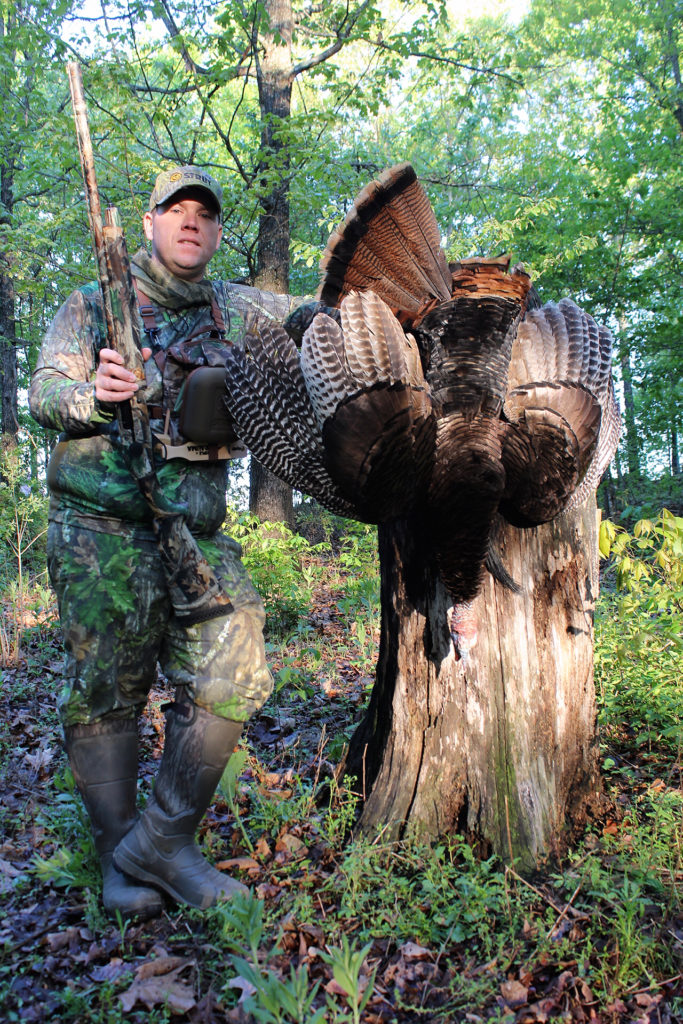
Have you ever tried hunting turkeys in the spring, only to find they are difficult to hunt? Multiple factors can cause a gobbler to be call shy and hard to hunt. It could be where the hunting takes place, such as on public land or an area that receives a lot of hunting pressure. High amounts of pressure can cause turkeys to be hesitant about what sounds they respond to. Another factor could be a high number of hens in the area, resulting in a gobbler refusing to break away. Then, there is the challenge of hunting more mature gobblers. An older tom that has been around the block a few times can also be hard to bring in to calling. A four or five-year-old tom can be very smart as to when to come to a call and what route he takes to get there.
When a hunter faces hard-to-hunt gobblers or birds that don’t respond well to calls, they sometimes need to pick up their game as a hunter/turkey caller and dip into the bag of tricks to create a realism that will fool even the toughest toms.
Non-Vocal, Natural Sounds Of Turkeys
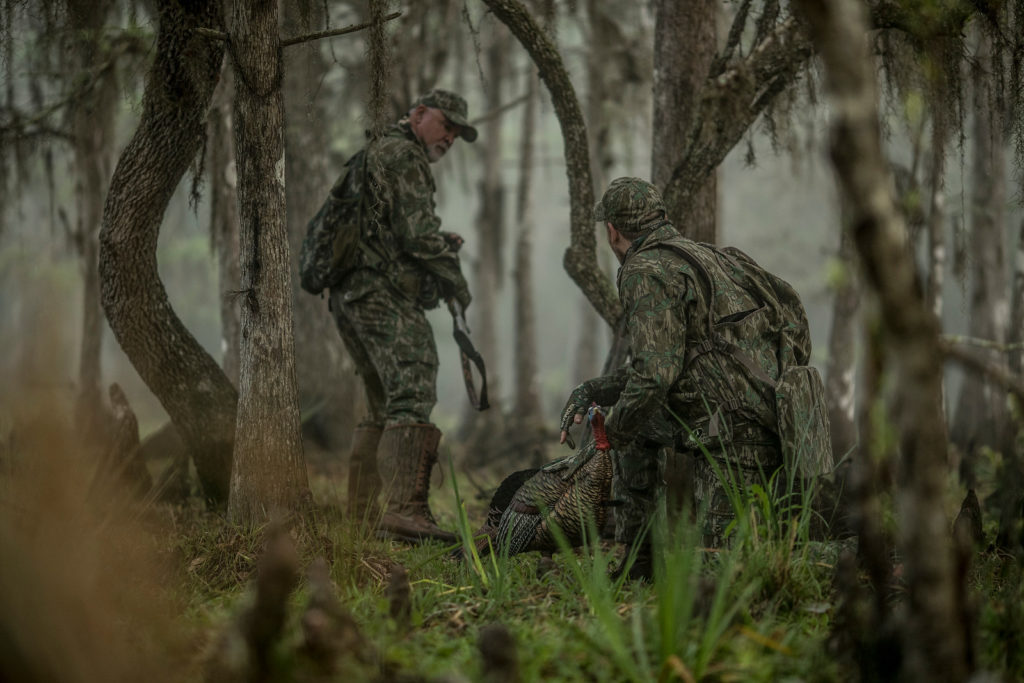
Adding more turkey sounds to a calling sequence is crucial when a more mature tom or high-pressured gobbler doesn’t want to come to the call. The trick is not to make the vocal sounds that turkeys make; instead, make sounds that turkeys naturally make to mimic realism.
A hunter can simulate sounds, including scratching in the leaves to symbolize a hen feeding through the timber. Hunters can also use the wing of a turkey or a hat to make the sounds of wings when flying down from the roost or fighting.
On many occasions, I have had a gobbler who is slightly out of range and knowing I need him to commit, I stop calling and only scratch the leaves with my hands—painting a picture of a hen calmly feeding who has lost interest in the tom. When the tom hears the leaves, he gets curious and will come to investigate.
Using a natural wing or a hat to create the sound of turkeys is the same concept as when scratching leaves. Use the sounds of wings to symbolize a hen flying off the roost. When a tom thinks the hen is on the ground, he wants to fly down. The sense of urgency comes from the tom knowing that the sooner he can get to the hen, the quicker he can breed her or lessen the chances of her going a different direction.
Let The Decoys Do The Calling
When calling to a gobbler during the spring, a hunter must create enough urgency for a gobbler to want to come to the calling quickly. The problem we as hunters face is that every other hen in the woods is trying the same thing. Thus, gobblers sometimes lose interest in our calling, or they break and go in a different direction. It is vital to give the tom a reason for why he should come to the hunters calling instead of the hens.
When decoys are added to a calling regimen, a sense of realism is also added. One of the number one reasons for a gobbler stalling or hanging up when calling is often because the tom doesn’t see the hen. When a tom doesn’t see who has been making the sounds, he can often become hesitant to come closer.
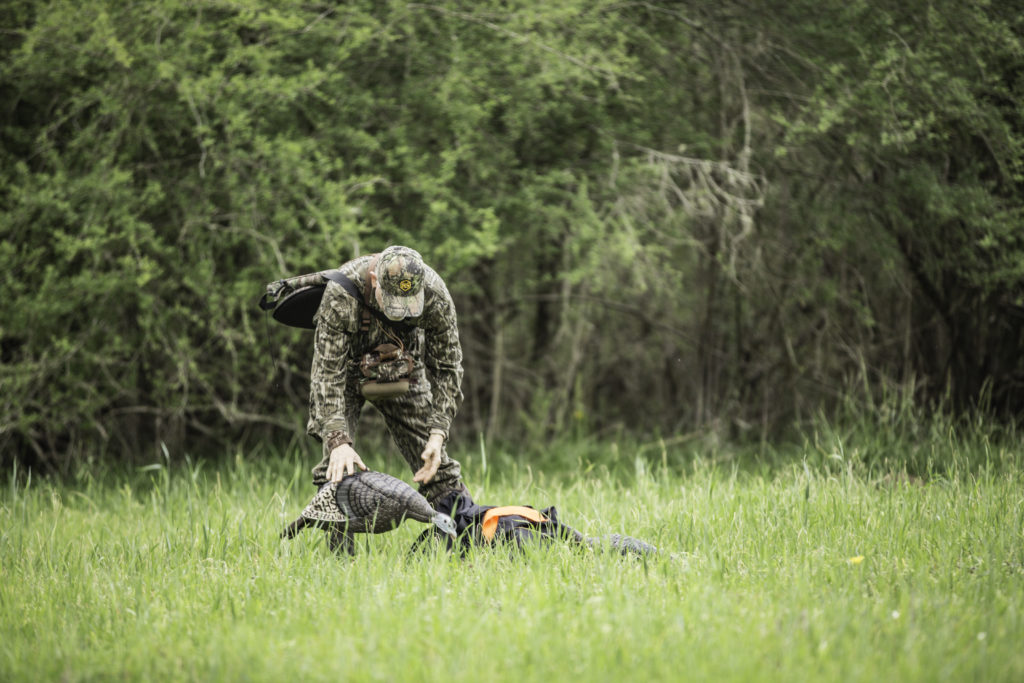
When using decoys, the goal is not only for a tom to see the decoys but also that he sees a scenario that creates urgency for him to come closer. When using an upright hen decoy, add a jake decoy like the Avian X HDR Jake decoy; when a gobbler sees a jake decoy with the hen, he immediately thinks the jake is going to breed the hen before he does, messing with his dominance. Creating urgency can also be generated by adding a breeding style hen decoy and a jake decoy to add more realism. Another favorite decoy setup is using an upright hen, jake, and the H.S. Strut Strut-Lite Feeding Hen decoy. When using a three-decoy setup, I prefer using the upright hen and jake close together and the feeding hen approximately ten yards to the side. The feeding hen adds the realism of a small flock of turkeys that grabs the eyesight of a gobbler from longer distances.
When using decoys, it is vital to let them do the calling once the gobbler has spotted them. Do not over-call; simply let the gobbler see the decoys and become curious or anxious to check them out.
Add A Calling Partner
One of the techniques for when calling high pressured toms, call shy toms, or a gobbler who is with hens is to sound like more than one hen when calling. Often, I use my H.S. Strut/Drury Outdoors Tongue Cutter Plus mouth call to represent more than one hen. By using different air pressure and blowing air over different sides of the mouth, I am able to imitate multiple hens. I also use a friction call such as the H.S. Strut Double Spur Double Sided Pan Call that features a glass surface on top and a small slate surface on the bottom of the call. With two different surfaces on one call, I can mimic the sounds of multiple hens when calling.
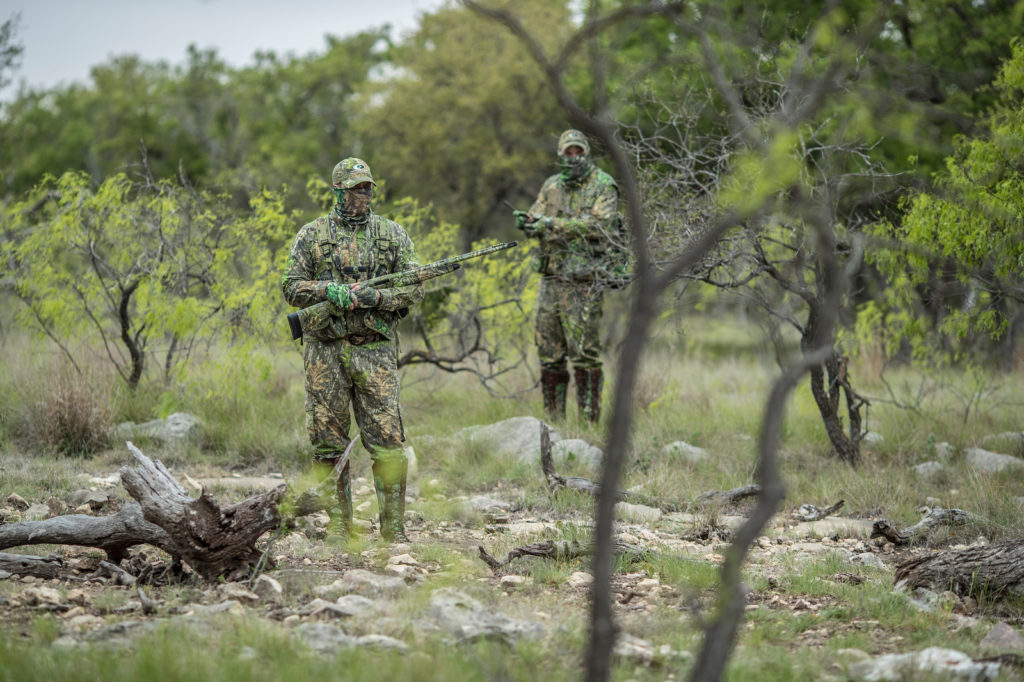
To add realism when trying to sound like multiple hens, bring along a hunting partner who calls along with you while hunting. Having two people when calling allows for the ability to sound like two hens in two separate locations. Mature gobblers have been known to have pinpoint hearing. If another caller is ten to twenty yards behind or to your side when calling, the gobbler thinks it is two separate hens calling to each other. With multiple hens calling, his curiosity builds and brings him into range when investigating.